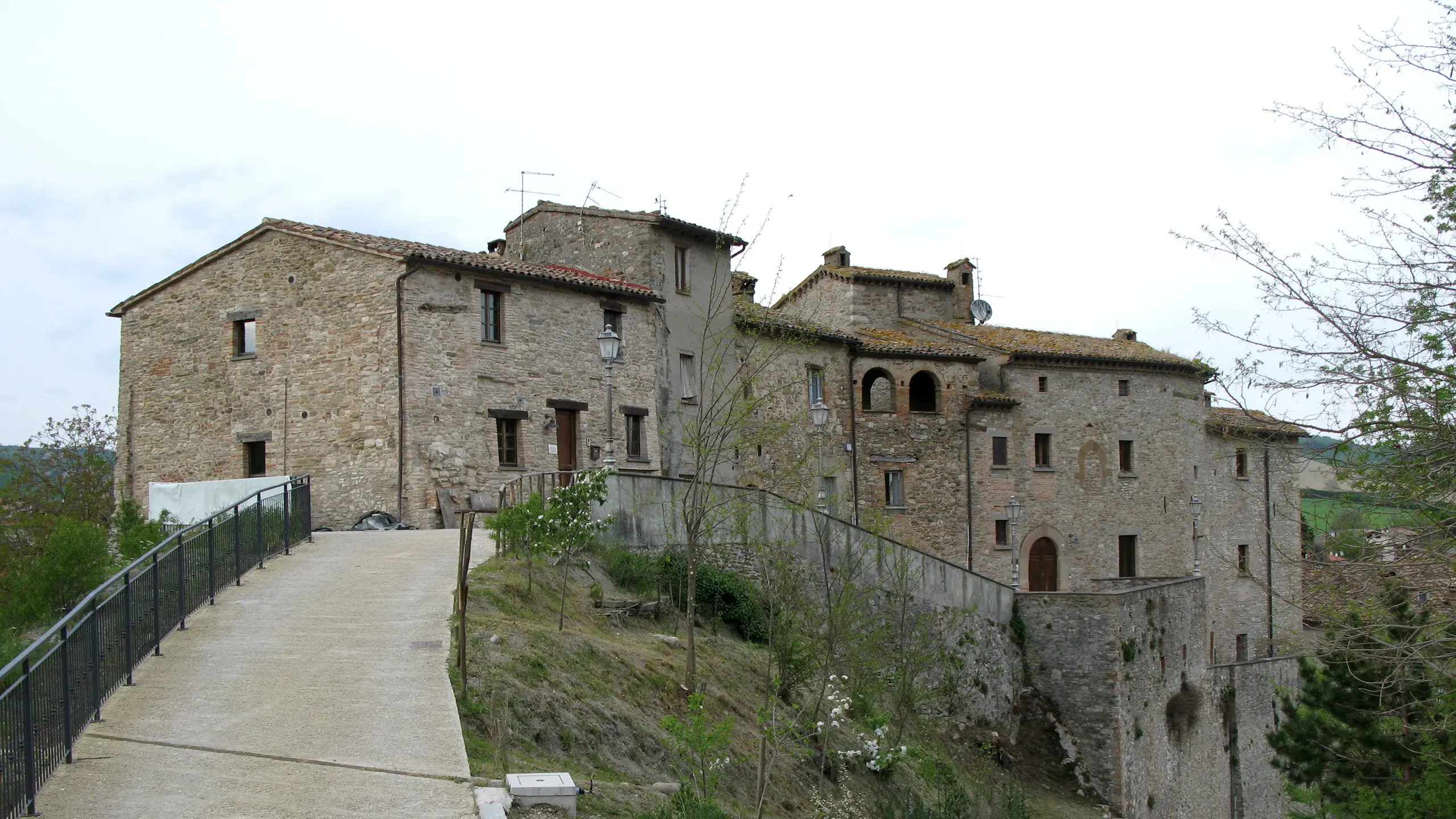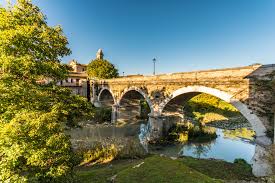
Belforte all’Isauro
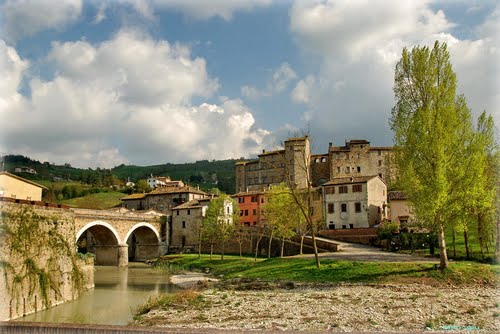
In the fifth century a. C. the valley was inhabited by a nomadic population that dedicated themselves to pastoralism. The Romans, after defeating the Etruscans and the Gauls, also conquered this small territory; in fact, in the north of the country three ancient Roman farms were discovered, while near the ancient Pieve di San Lorenzo a Roman stone was found with inscriptions currently preserved at the archaeological museum of Urbino.
In 1271 Belforte was one of the hundred castles of the Massa Trabaria that contributed to the survival of the State of the Church. In the fifth century a. C. the valley was inhabited by a nomadic population that dedicated themselves to pastoralism.
The Romans, after defeating the Etruscans and the Gauls, also conquered this small territory; in fact, in the north of the country three ancient Roman farms were discovered, while near the ancient Pieve di San Lorenzo a Roman stone was found with inscriptions currently preserved at the archaeological museum of Urbino.
In 1271 Belforte was one of the hundred castles of the Massa Trabaria that contributed to the survival of the Papary State.